Claude Design 引发的争议未能证明 Anthropic 将崩盘,却暴露了企业依赖单一模型供应商的风险。
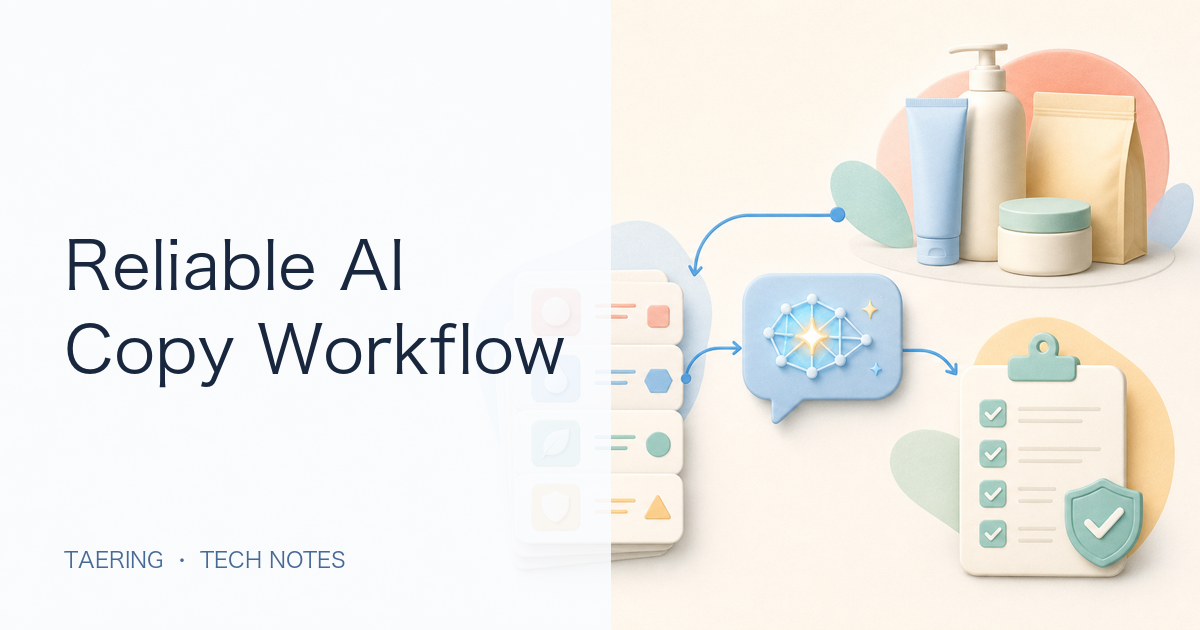
A seven-step workflow keeps product evidence, prompt design, ad disclosure, and AI labels in one reviewable process.

AI 可以整理素材,却不能替你拥有真实体验。这套七步流程把产品证据、提示词、广告标识和发布核查放进同一条工作流。
Separate formatting from rewriting, then constrain and review AI output without losing the author's meaning.
先分清排版与改写,再用任务、约束和验收标准管住 AI,避免格式变漂亮却悄悄改了原意。
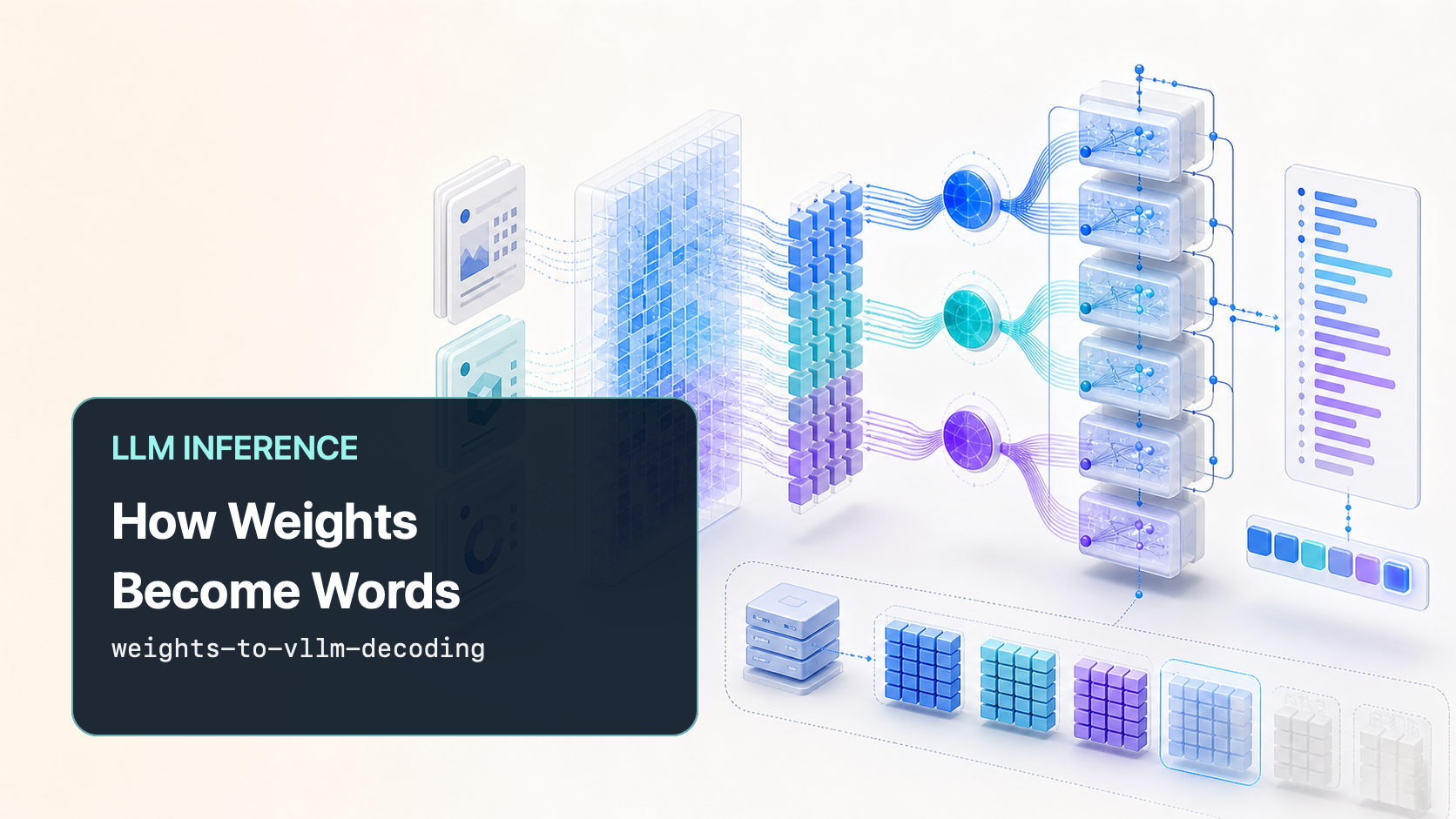
Open models include weights, tokenizers, and configuration—not a chat app. Follow one prompt through vLLM/Ollama: IDs become vectors, logits, text, then EOS. What makes it speak and stop?
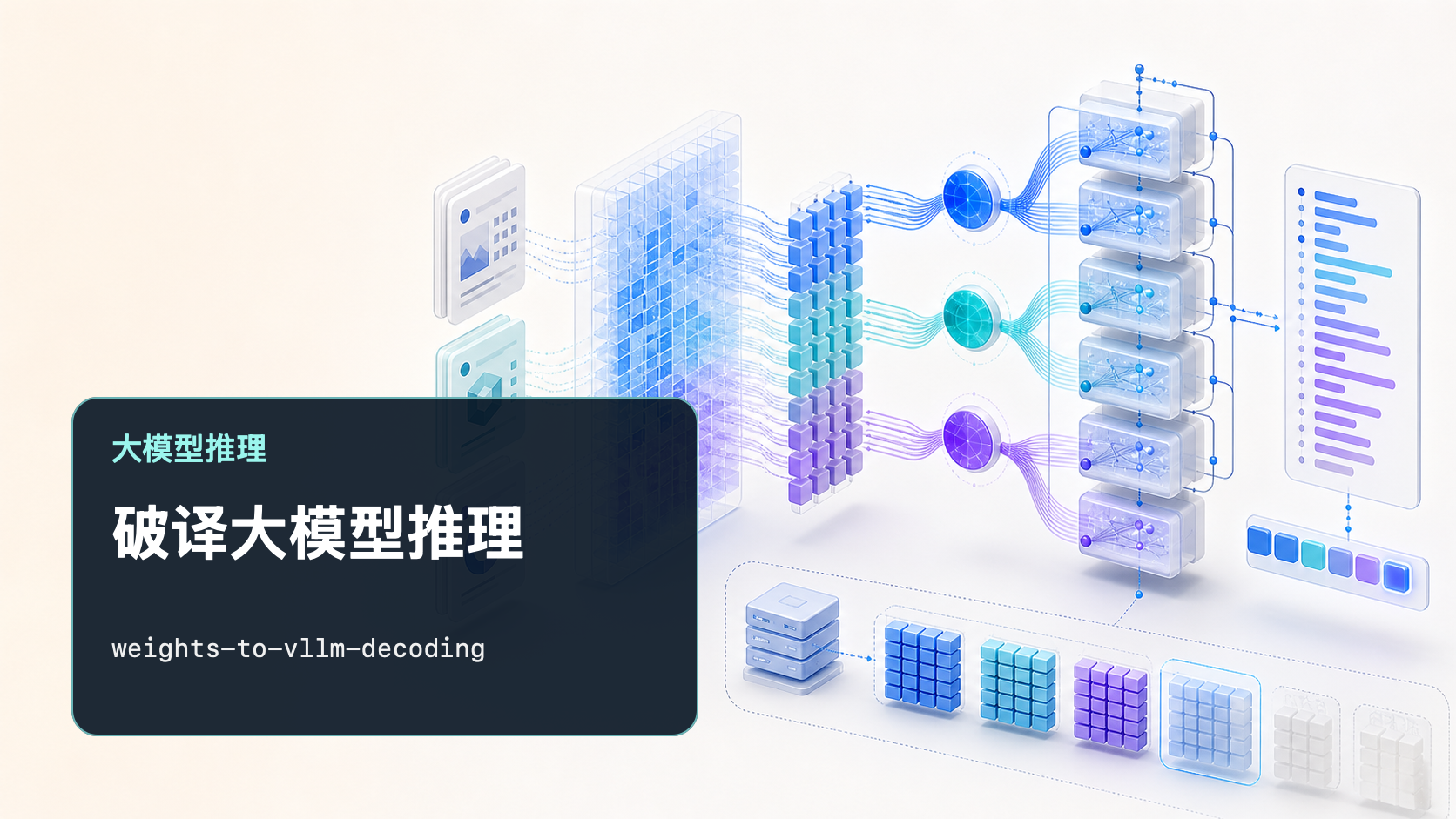
下载开源大模型后,磁盘里躺着的不是可执行聊天程序,而是权重、分词器和配置等静态文件。我沿着一次真实推理拆开它们如何被 vLLM/Ollama 驱动:文本怎样变成 token、向量与概率,又怎样流式返回;最后究竟是 EOS、停止规则还是 EOF 让模型闭嘴?这篇文章还会解释 KV Cache 为何能让生成显著提速。

我把“把 PDF 做成 PPT”拆成主题判断、章节提炼、逐页表达和收尾复盘四步,并给出一段可直接复用的提示词。真正拉开效果差距的,不是让 AI 一键生成,而是先给它清晰的产出边界:谁来听、每页讲什么、结尾怎样收束。少了这些约束,页数再多,也很容易变成无法讲述的文字堆;把框架交代清楚,AI 才能成为可靠的整理助手。
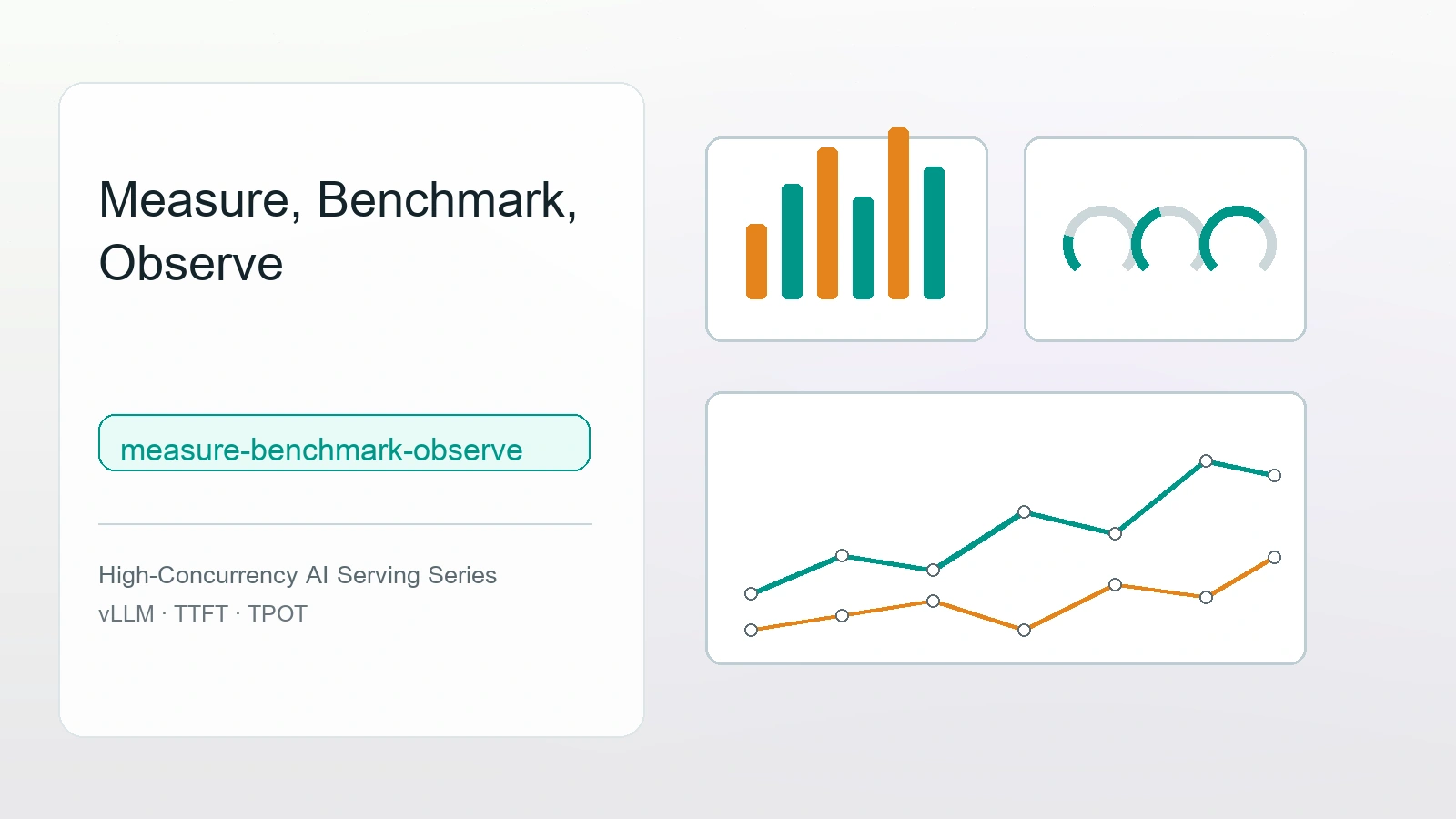
vLLM tuning should not stop at checking whether the API returns an answer. TTFT, TPOT, throughput, KV Cache usage, queue length, and tail latency form the real feedback loop.
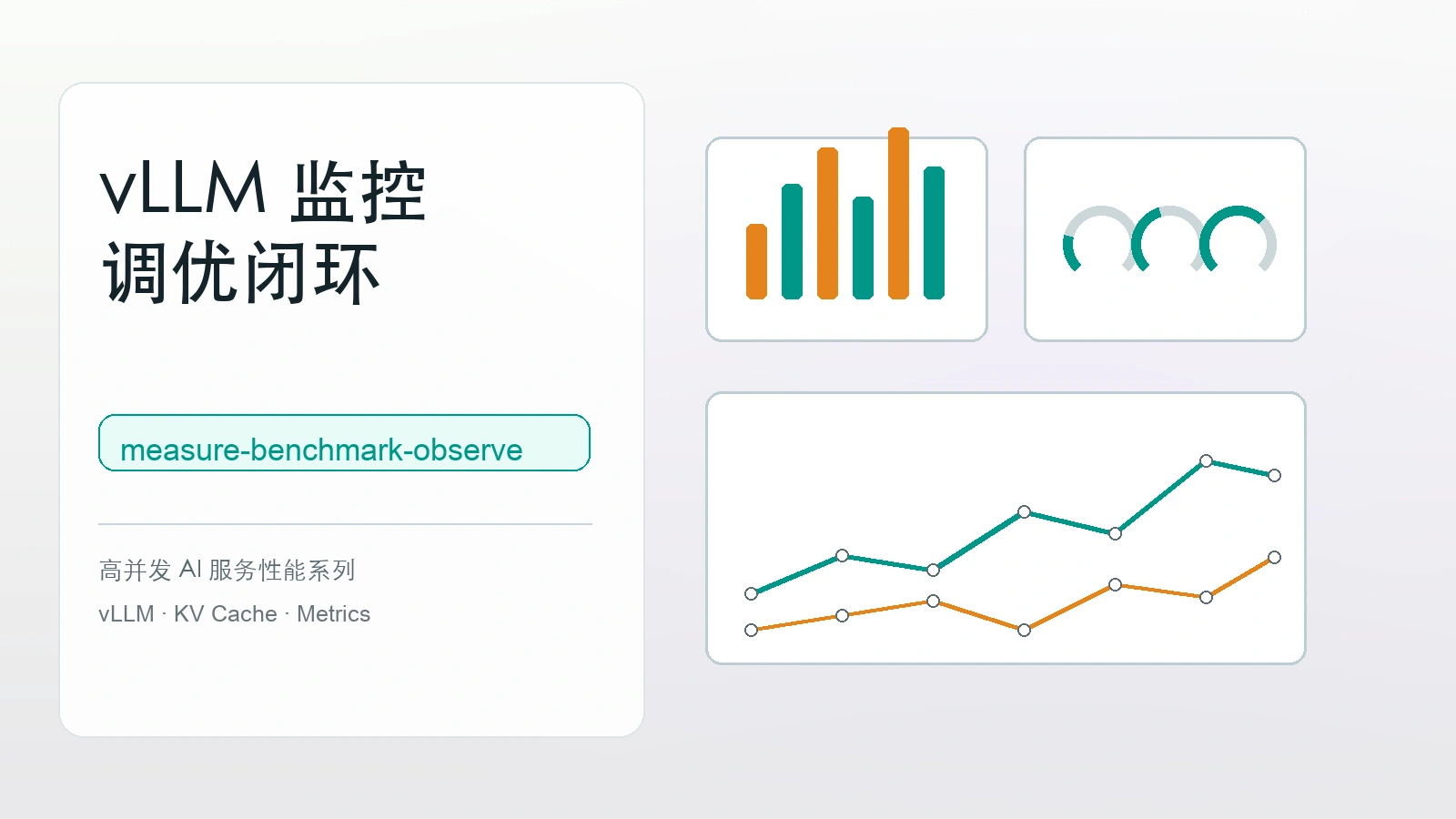
vLLM 调优不能只看服务是否返回答案,而要围绕 TTFT、TPOT、吞吐量、KV Cache 使用率和尾延迟建立监控闭环。本文用本地脚本串起启动、测量、压测和指标采集。