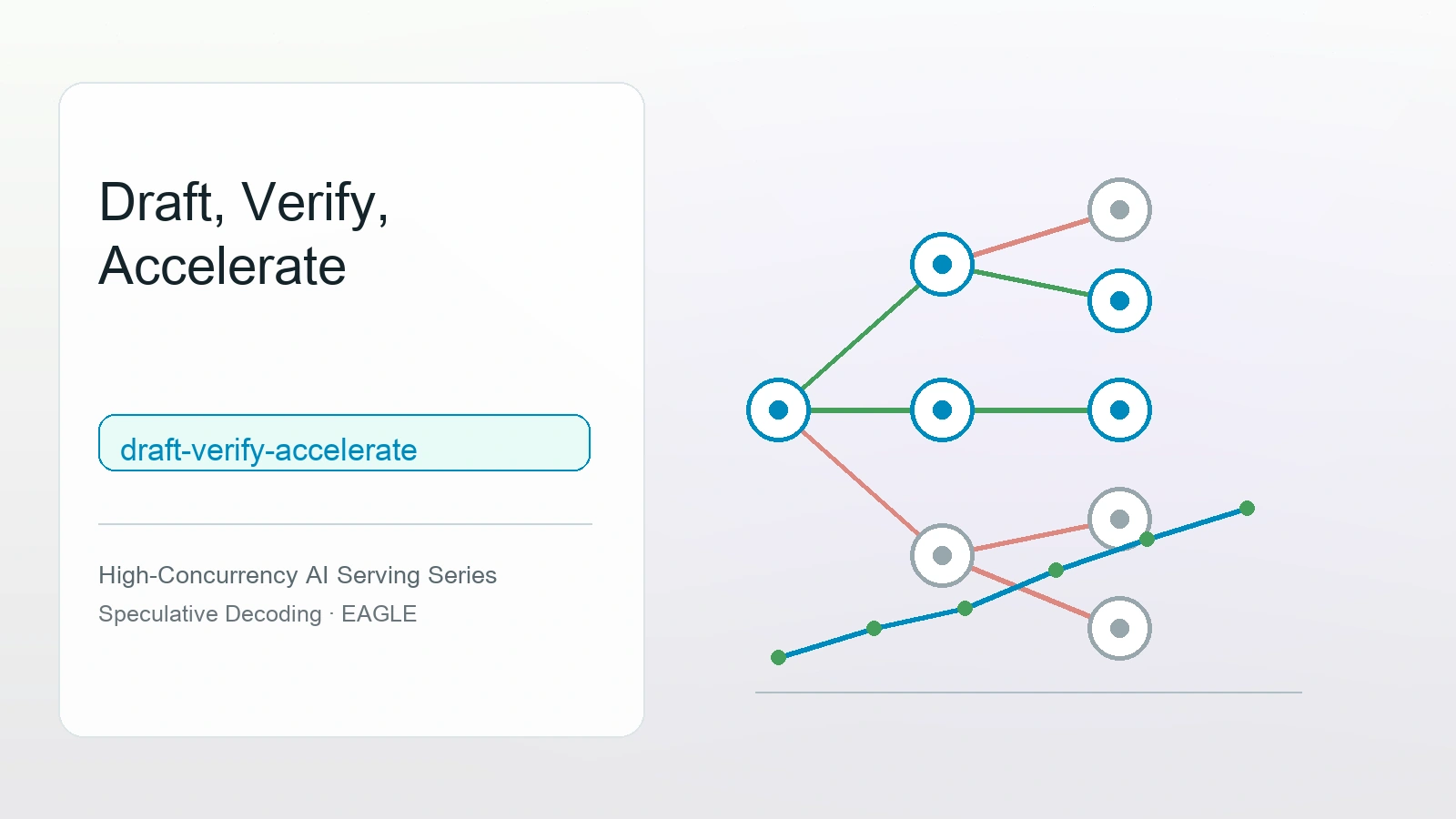
Speculative decoding does not let the model guess blindly. A cheap draft model proposes tokens, while the target model verifies them in parallel. The real question is whether acceptance rate and batch size make it worthwhile.
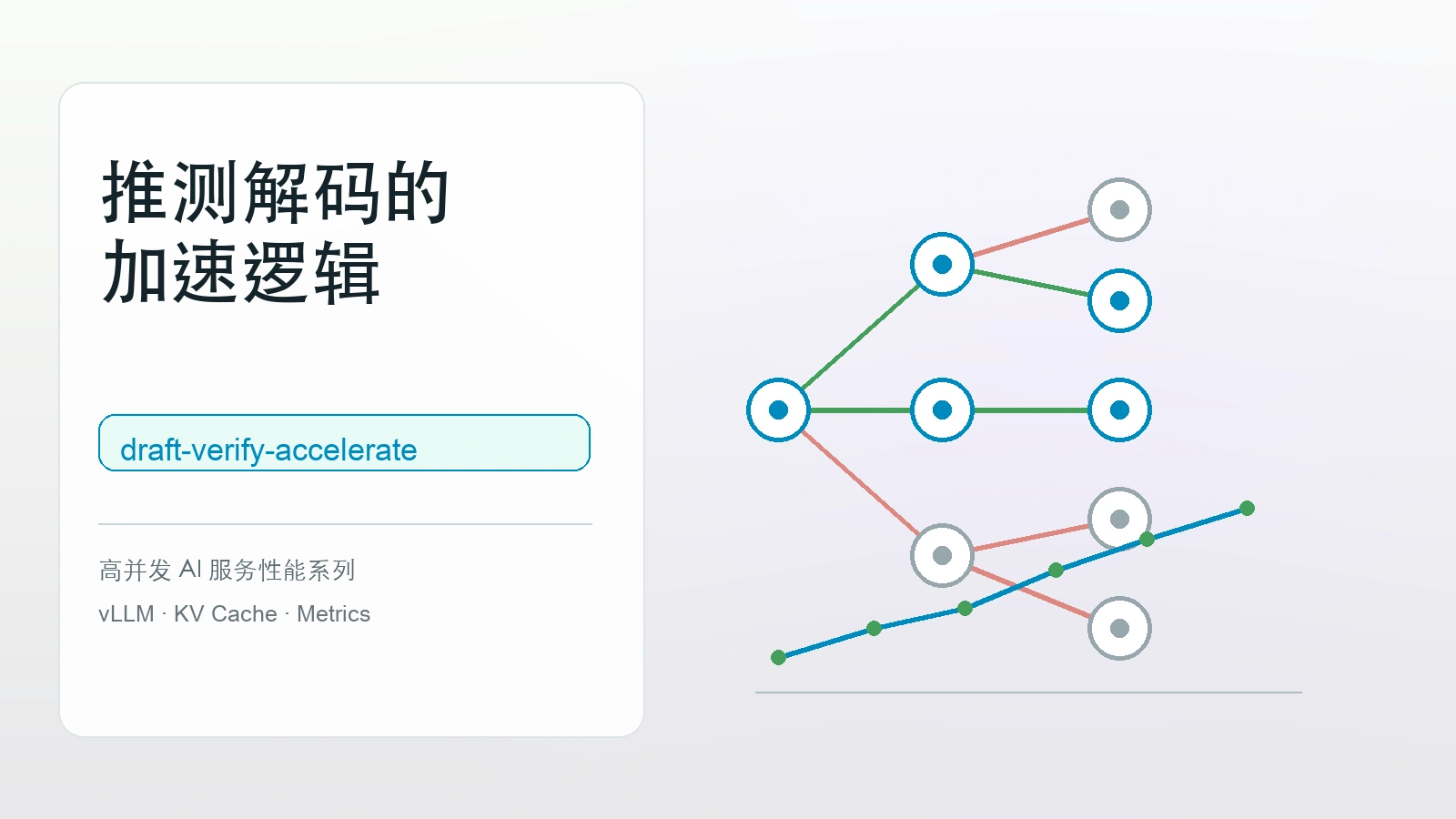
推测解码不是让大模型乱猜,而是用草稿模型先给候选,再由目标模型一次性验证。理解 Medusa、EAGLE 和大 Batch 的关系,才能判断它在生产高并发里是否真的划算。
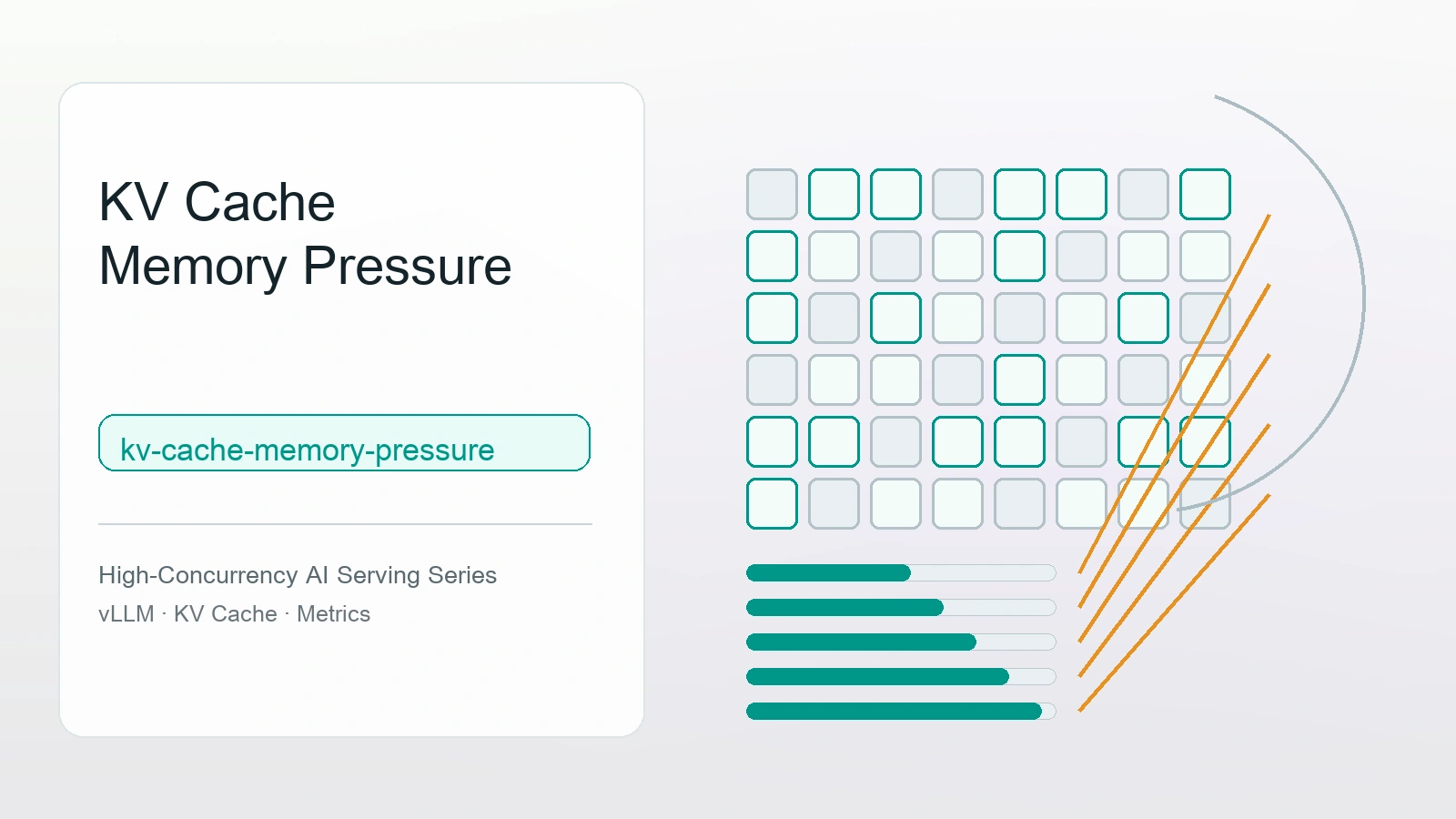
In high-concurrency LLM serving, model weights are rarely the only memory problem. KV Cache grows with requests and tokens, so PagedAttention and Continuous Batching are the real keys to vLLM throughput.
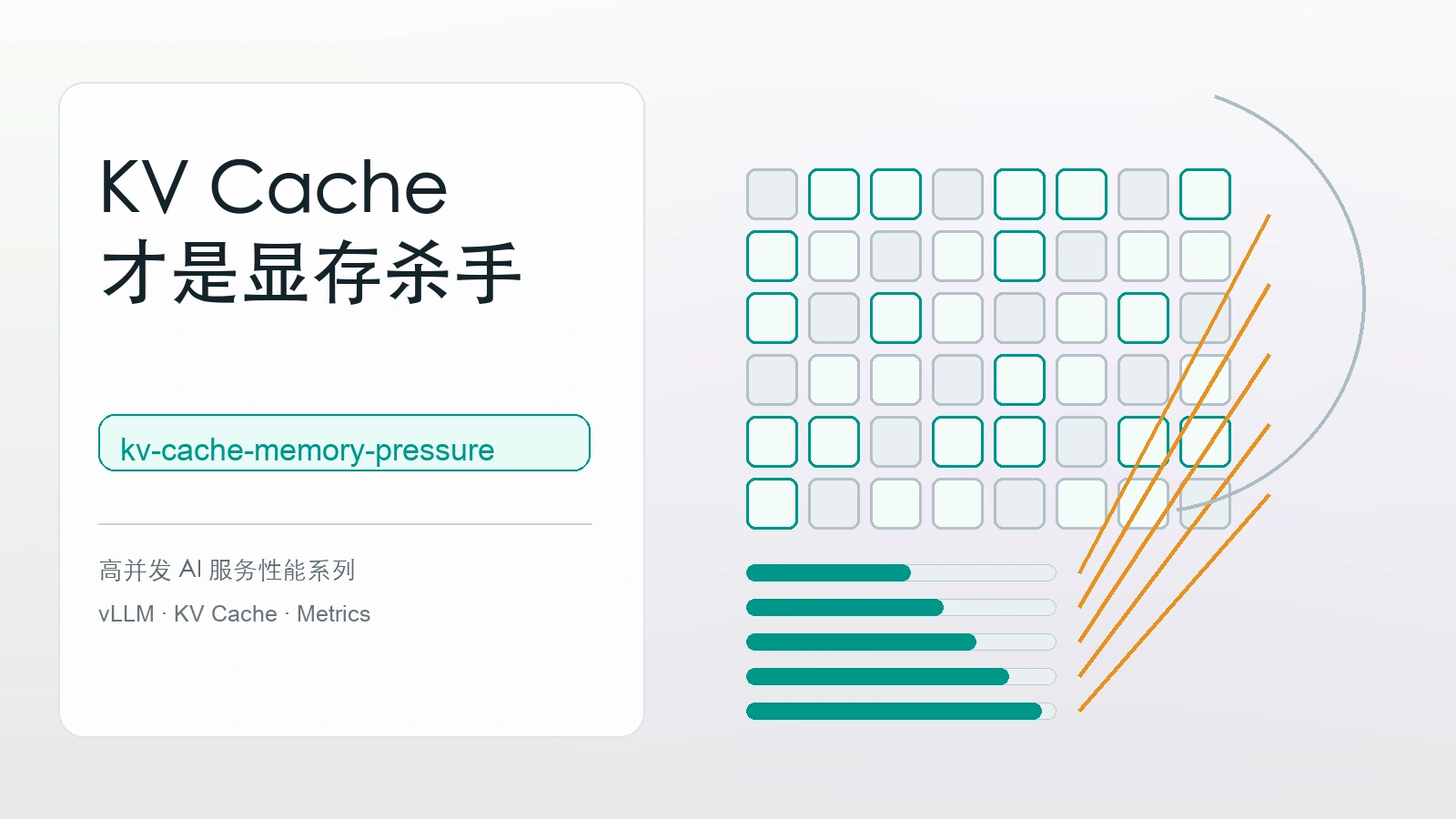
高并发大模型服务真正容易爆掉的不是模型参数,而是随请求增长的 KV Cache。理解 PagedAttention 和 Continuous Batching,才能看懂 vLLM 为什么能把吞吐做上去。
The Core Logic of High-Quality Fine-Tuning Data Engineering: Why Data Quality Defines a Model's Ceiling Chinese version: 中文版 This is the first article

从微调是否必要、SFT/RL/GRPO 的学习方式,到高质量样本为什么比单纯堆数据量更关键.
70B模型配了4张80G卡,长文本一推就爆。查了一圈发现不是显存容量问题,是max_length设太大,kv cache按最坏情况预分配显存。上线前没做profiling,差点多花20万买卡。
设了gradient_accumulation_steps=8,理论有效batch=32,结果每个step的loss降得像火箭一样快,还以为学习率太高。排查了两天才发现DeepSpeed的配置覆盖问题,实际有效batch只有1。
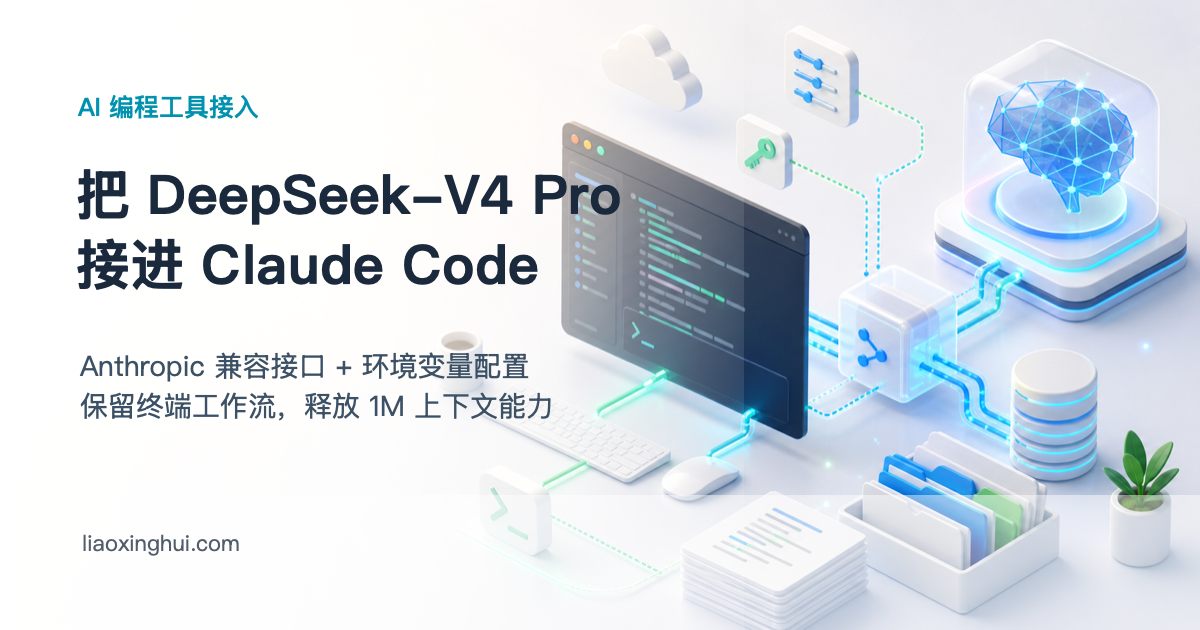
将deepseekv4 pro接入claude code,让生产效率翻倍,适合已经在用 Claude Code,但想试试 DeepSeek V4 Pro 的人、想要更长上下文处理大项目的人、想降低 AI 编程工具使用成本的人
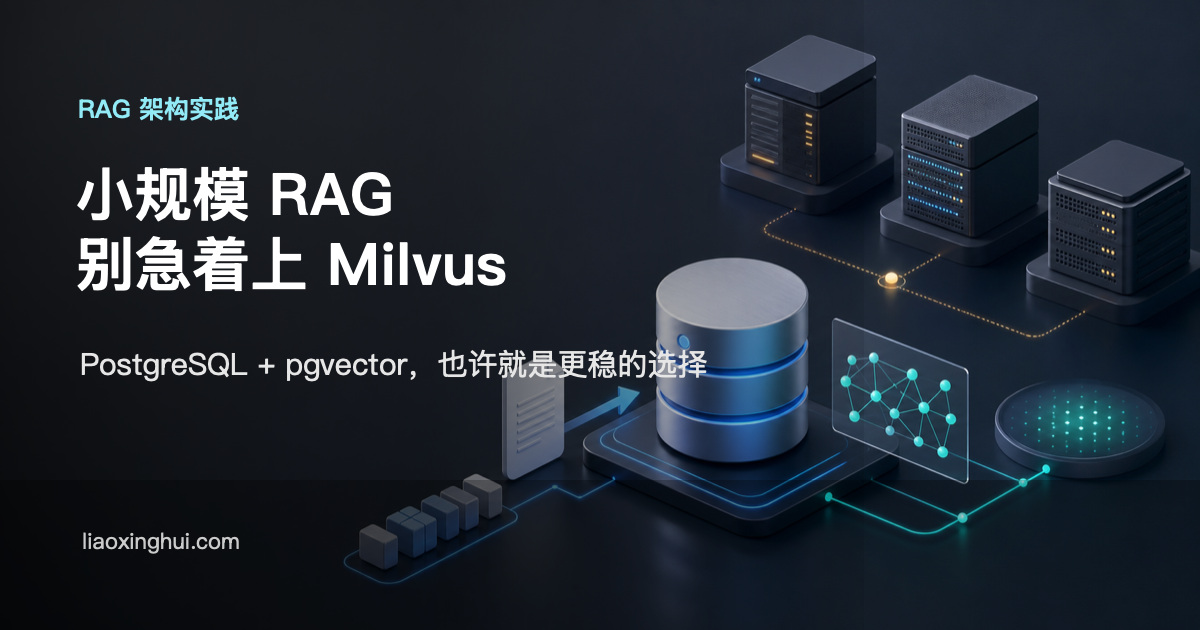
有时候技术交流里最让人无奈的地方,不是对方不知道,而是对方已经被某些“标准答案”占满了脑子。好像只要谈 RAG,就必须谈向量数据库;只要谈向量数据库,就必须谈 Milvus、Qdrant、Weaviate;如果你说 PostgreSQL + pgvector,反而显得你不够“高级”。但工程选型不是品牌崇拜。专业也不是把最重的组件搬进系统里。专业是先看问题,再看工具。